
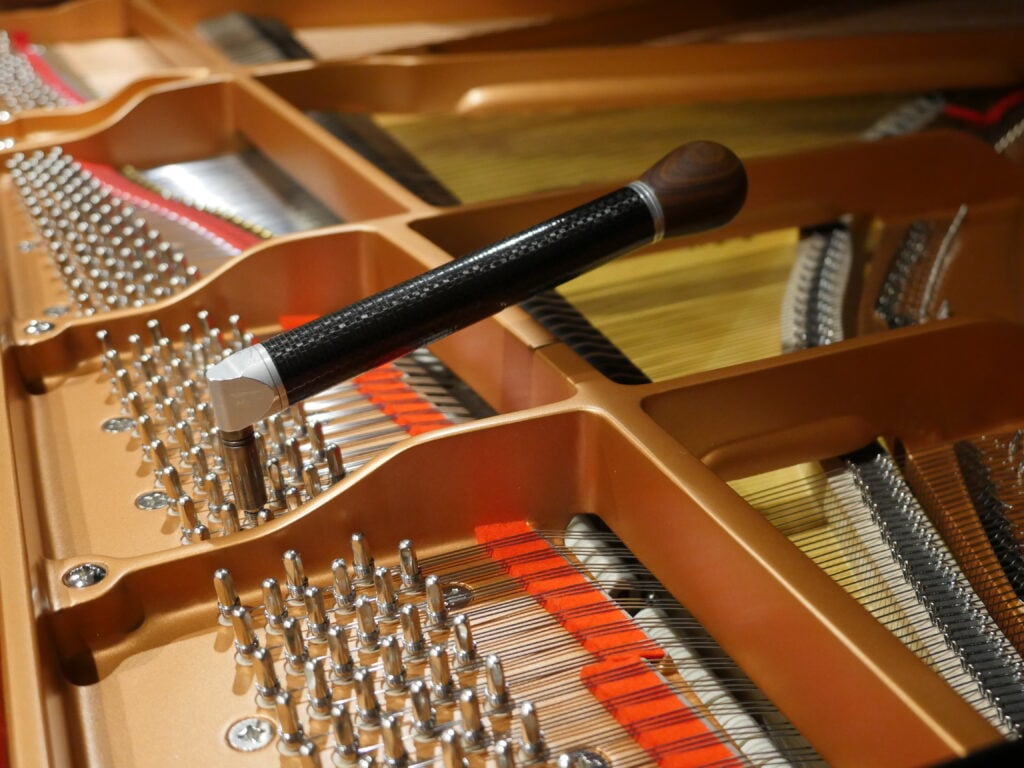
PIANO TECHNICIAN TRAINING IN SPRINGFIELD, MASSACHUSETTS
MASTER THE CRAFT. BUILD A CAREER.
Train in piano tuning, regulation, voicing and field service through an immersive program built around real instruments, focused repetition and real-world experience.
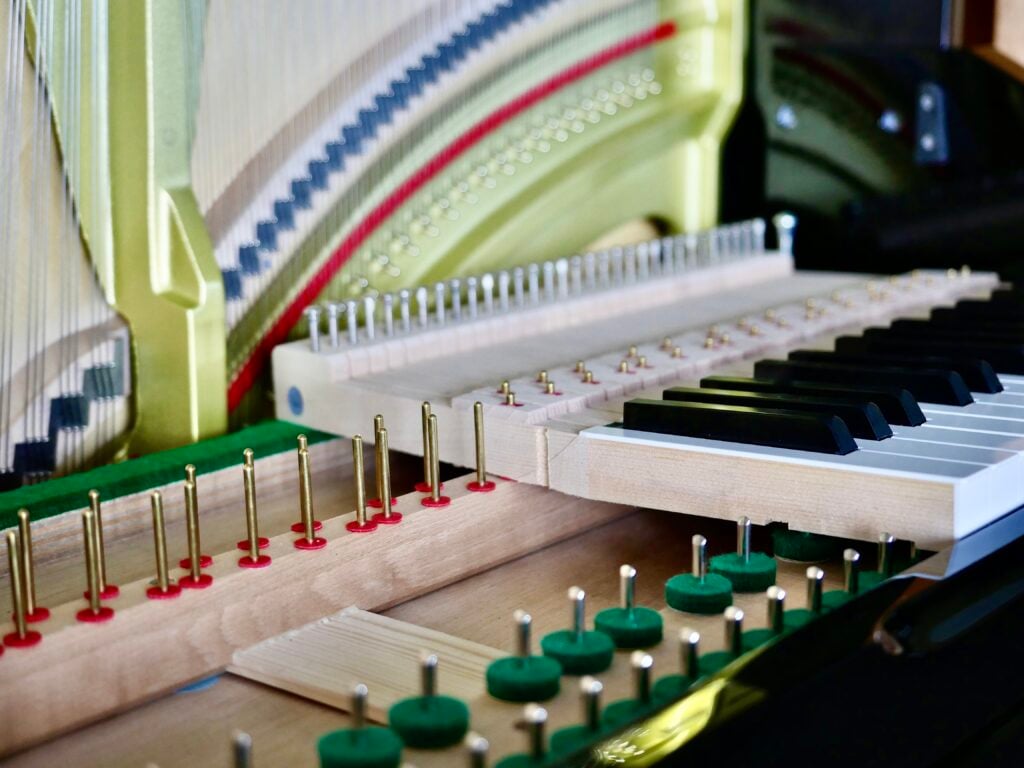
HANDS-ON TRAINING BUILT AROUND REAL WORK
The piano industry needs skilled technicians who are ready for real-world service work. OPUS Piano Service Academy was created to help build that next generation through focused instruction, repeated practice and work on a wide range of instruments.
Piano technology is a craft that requires careful listening, mechanical understanding and extensive practice. Students train on new, used and rebuilt pianos while learning to perform consistent work across different service conditions.
This is not passive learning. It is a working education built around increasing accuracy, consistency and confidence.
Train on real pianos in real service environments
Students develop their skills in the environments where professional piano service actually happens, including:
- Service facilities
- Piano showrooms
- Customer homes
- Schools and institutions
- Other real-world service settings
Working across different instruments and environments helps students identify problems, make sound decisions, and maintain consistent professional standards.
A progressive three-module program
The OPUS program includes three sequential eight-week modules, each building on the skills developed in the one before it.
The first establishes the technical foundation. The second and third combine continued instruction with paid apprenticeship work in an active service environment.
MODULE 1:
Piano tuning and service foundations
8 weeks | $8,000 | Approximately 40 hours per week
The first module introduces the essential skills required to begin working in piano service through intensive instruction and supervised practice. Training includes:
- Piano construction and mechanical fundamentals
- Daily tuning instruction and practice
- Introduction to regulation
- Common service adjustments and repairs
- Basic troubleshooting
- Professional standards for working as a Field Service Technician
This first stage builds the accuracy, consistency and judgment required for professional tuning and service work.
MODULE 2:
Regulation and mechanical preparation
8 weeks | $4,000 | Approximately 20 hours of training and 20 hours of paid apprenticeship work per week
Building on the first eight weeks, this stage develops the mechanical skills required to regulate and prepare piano actions to professional standards. Training includes:
- Continued tuning practice
- Action regulation
- Mechanical diagnosis and adjustment
- Parts replacement and reconditioning
- Work planning and quality control
- Supervised service and production work
Students build the consistency, mechanical judgment and practical experience needed for professional regulation work.
MODULE 3:
Voicing and field service
8 weeks | $4,000 | Approximately 20 hours of training and 20 hours of paid apprenticeship work per week
This stage adds voicing, tone development and field service while continuing to reinforce tuning and regulation. Training includes:
- Continued tuning and regulation practice
- Hammer shaping and preparation
- Voicing and tone development
- Advanced diagnosis and adjustment
- Field service procedures
- Professional communication and workflow
The final module brings tuning, regulation, voicing and field service together, strengthening students’ understanding of how touch and tone shape the instrument as a whole.
Tuition and paid apprenticeship
- Module 1: $8,000
- Module 2: $4,000*
- Module 3: $4,000*
Total tuition for all three modules: $16,000
Payment plans are available.
* Modules 2 and 3 combine continued instruction with approximately 20 hours per week of paid apprenticeship work ($20 per hour; $3,200 earned over 8 weeks). Net cost of Modules 2 and 3 is $800 per week.
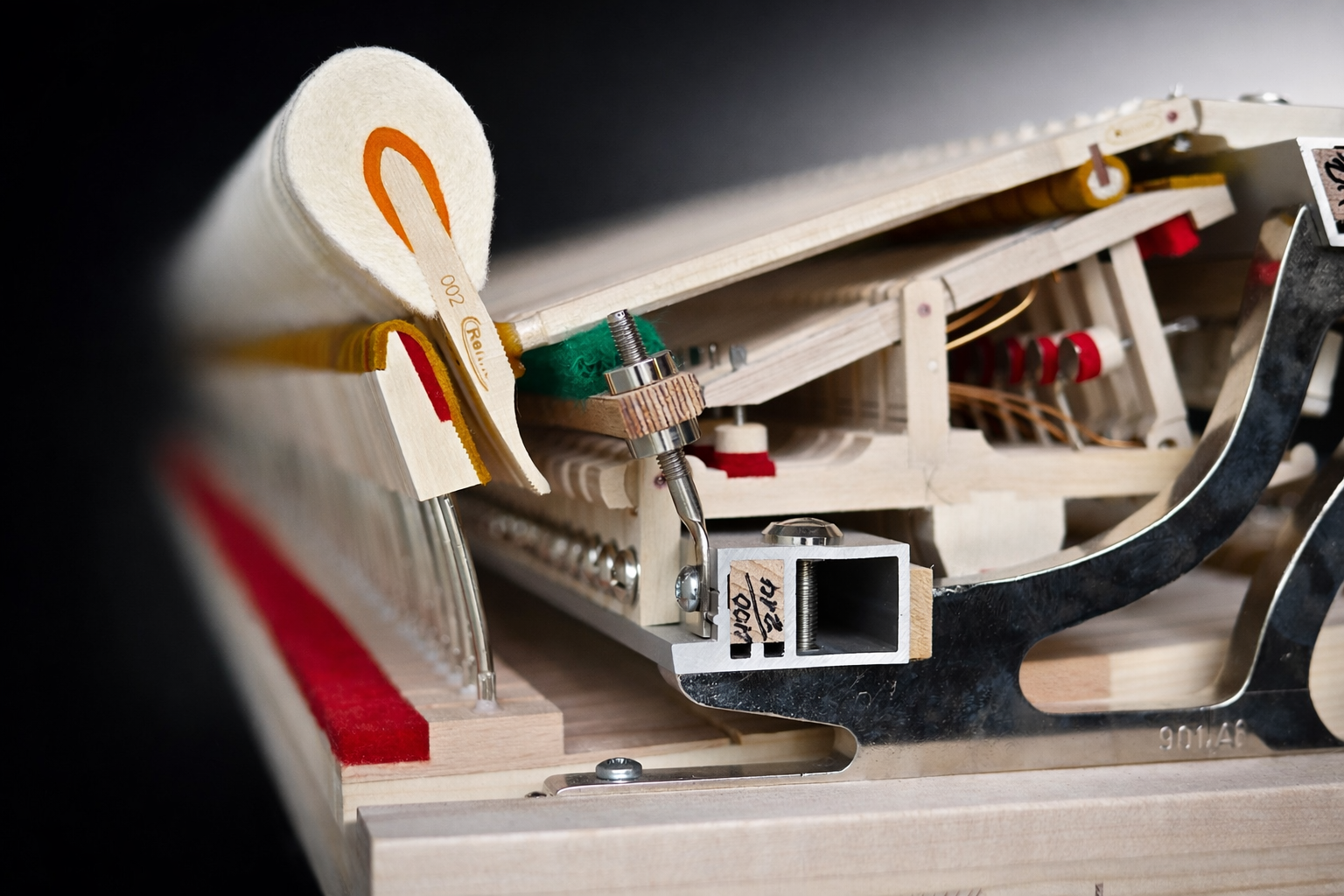
Progress based on demonstrated skill
Progress is measured through demonstrated skill, consistency, and readiness for the next stage. Instructors evaluate:
- Accuracy
- Repeatability
- Efficiency
- Diagnostic judgment
- Quality of completed work
- Professional conduct and communication
Students gain a clear understanding of their progress, where they need more practice and what is expected at a professional level.
A career path with Falcetti Pianos
Successful completion of all three modules includes guaranteed employment with Falcetti Pianos.
That connection between training and employment is central to the OPUS model, which is designed to prepare capable technicians for meaningful, long-term work in the field.
Who is OPUS for?
OPUS may be a good fit for someone who:
- Is interested in pursuing piano technology as a career
- Enjoys detailed mechanical work
- Has patience, focus and strong listening skills
- Learns best by doing
- Values craftsmanship and high professional standards
- Is willing to repeat and refine skills until the work becomes consistent
Previous piano technician experience is not required. Musical, mechanical or skilled-trade experience may be helpful, but discipline, curiosity and a willingness to learn are equally important.
Candidate visit and skills review
Prospective students begin with a candidate visit and skills review. The visit gives you an opportunity to:
- See the training environment
- Meet the instructors
- Learn more about the daily schedule
- Ask questions about tuition and apprenticeship work
- Discuss the career path
- Participate in a basic aptitude and skills review
The review does not test prior piano technology knowledge. It helps both the prospective student and the OPUS team determine whether the program is a good fit.
Program details
- Location: Springfield, Massachusetts
- Program length: Three sequential eight-week modules; 24 weeks total
- Daily schedule: 8:30am – 5:00pm
- Module 1: Approximately 40 hours per week of instruction and supervised practice
- Modules 2 and 3: Approximately 20 hours per week of training and 20 hours per week of paid apprenticeship work
- Total tuition: $16,000
- Career path: Guaranteed employment with Falcetti Pianos upon successful completion of all three modules
FREquently asked questions
Do I need previous piano technician experience?
No. Previous musical, mechanical or trade experience may be helpful, but it is not required.
What does piano technician training include?
Training includes piano tuning, regulation, mechanical preparation, voicing and field service, along with supervised practice and paid apprenticeship work in Modules 2 and 3.
Is OPUS a piano tuning school?
Piano tuning is central to the program, but OPUS also develops skills in regulation, mechanical preparation, voicing and field service.
Where is OPUS Piano Service Academy located?
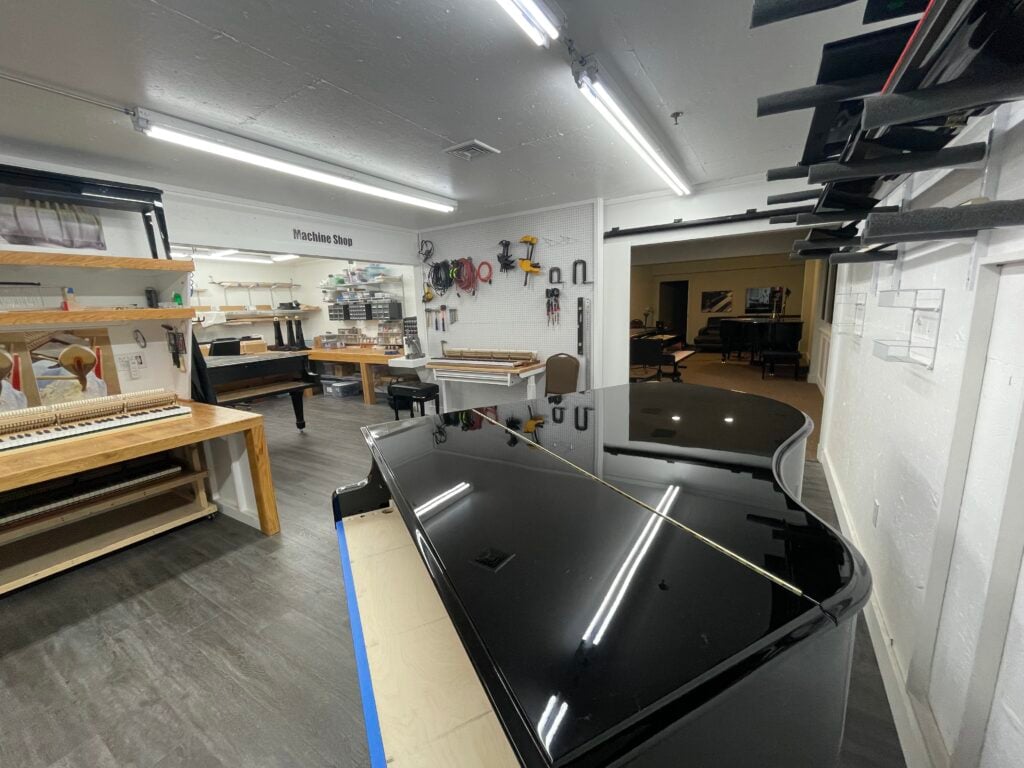
OPUS is located in Springfield, Massachusetts, where students train in an active piano service and processing environment.
Is OPUS a full-time program?
Yes. The daily schedule is 8:30am – 5:00pm. Module 1 consists of approximately 40 hours per week of instruction and supervised practice. Modules 2 and 3 combine approximately 20 hours of training with 20 hours of paid apprenticeship work each week.
Do the modules need to be taken in order?
Yes. Each module builds on the one before it.
Is the apprenticeship paid?
Yes. Modules 2 and 3 include approximately 20 hours per week of paid apprenticeship work, reducing the net cost of those modules to just $800 per week.
What happens after I submit the form?
A member of the OPUS team will answer your questions and discuss a candidate visit and skills review.
REQUEST PROGRAM INFORMATION
Interested in becoming a professional piano technician? Tell us a little about yourself, and the OPUS team will follow up with more information and next steps.